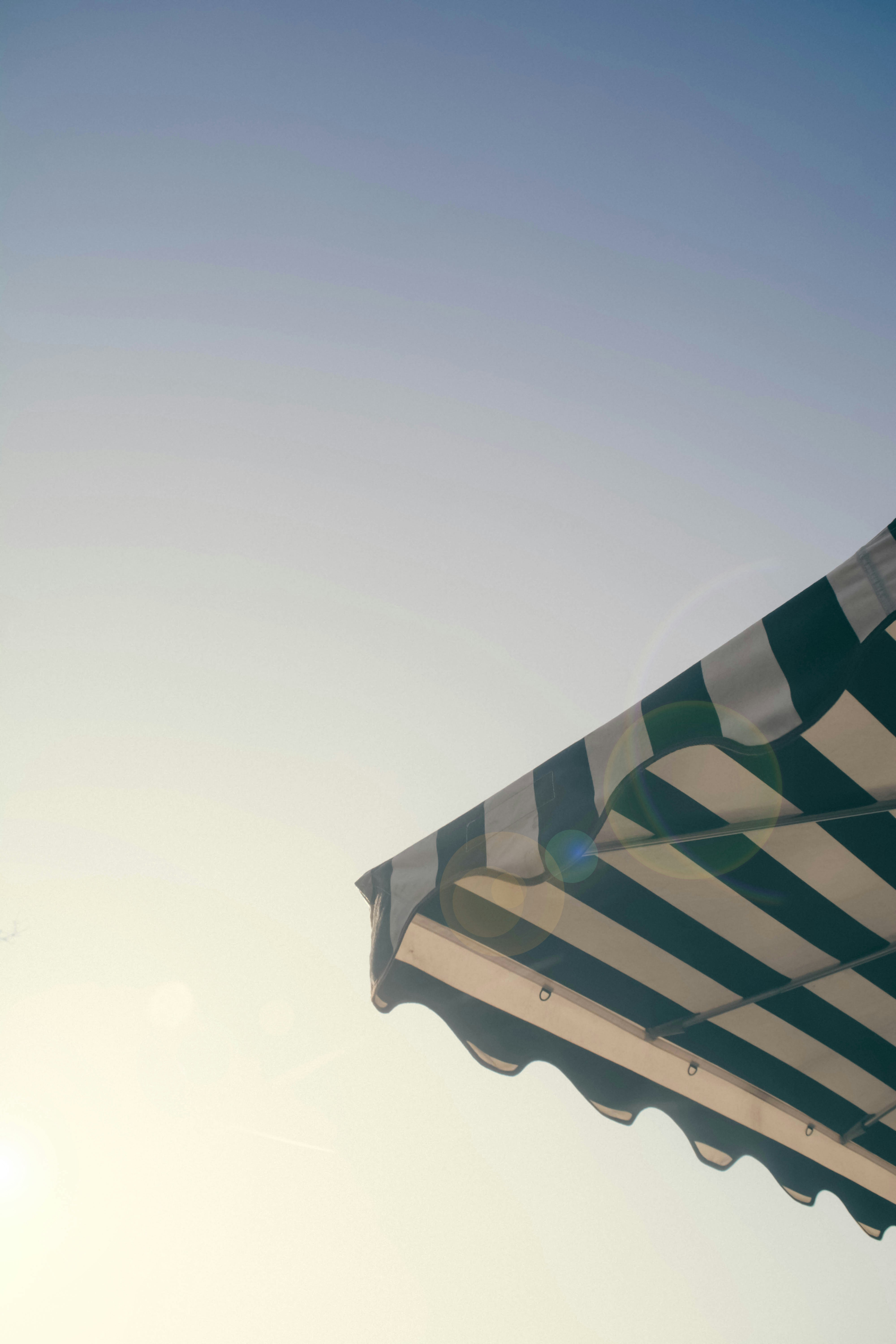
Solution-dyed polyester is a textile made with color incorporated into the polyester itself during fiber production. To understand the distinction, it helps to compare this method with conventional piece dyeing. In piece-dyed fabric, polyester yarn is first manufactured and woven or knitted into cloth; the finished textile is then immersed in dye or otherwise treated to add color. The color is concentrated nearer the outside of the fibers, where it may be more vulnerable to gradual fading and wear.
With solution dyeing, manufacturers add color pigments to the polymer melt before it is extruded into filaments. The colored material is pushed through fine openings to form polyester fibers, which can then be processed into yarn and woven into fabric. Because pigment is present as the fiber is created, color extends through the material rather than forming only a surface layer. The result is often described as colorfast, although performance still depends on the pigment, fiber quality, construction, and other finishing treatments used.
This production approach is particularly relevant for awnings, which remain outdoors and face repeated exposure to sunlight, rain, humidity, and changes in temperature. Ultraviolet radiation can break down colorants over time, while moisture and weathering contribute to general fabric deterioration. Since the pigment is embedded throughout solution-dyed fibers, ordinary surface abrasion or gradual weathering is less likely to reveal a differently colored interior than it would with a surface-focused treatment. This does not make awning fabric immune to fading or damage, but it can help maintain a more consistent appearance during extended outdoor use. For homeowners and designers, the method offers a practical way to produce colored polyester fabrics suited to demanding applications, including patio covers and other exterior shade structures. Selection should still take account of fabric weight, weave, coatings, care requirements, and the conditions at the installation site; the dyeing method is one factor in overall durability, not a guarantee of performance.
Production begins with the selection of a polyester polymer suited to the intended awning application. Manufacturers consider factors such as strength, processing behavior, and the performance requirements of the finished fabric. Color pigments are chosen to produce the specified shade and to withstand the heat and conditions involved in manufacture. Because the pigment is incorporated into the polymer, rather than applied only to the finished fabric surface, careful selection and measurement at this stage are important for achieving consistent color throughout the material.
The polyester polymer and pigments are melted and blended under controlled conditions to distribute the color evenly. The colored melt is then forced through a spinneret, a component with small openings that form continuous filaments. Operators monitor variables such as temperature, pressure, and extrusion rate because these can affect filament diameter and uniformity. The filaments are cooled and gathered into yarn. They are then drawn, or stretched, to orient the polymer structure and develop targeted strength and other properties. Depending on the product, the yarn may also be textured to introduce bulk, flexibility, or a particular surface character.
Next, yarn is woven or knitted into fabric. The construction, including yarn arrangement and density, influences the fabric’s appearance, handling, and suitability for outdoor use. Manufacturers set and check yarn characteristics and fabric specifications to keep the material aligned with the product design. They also use process controls and testing to compare color, dimensions, and other properties across production batches. These checks help identify variation before the fabric is prepared for finishing and conversion into awnings. The precise equipment, processing conditions, quality tests, and stated specifications differ among producers and product lines, so manufacturing details should be understood as product-specific rather than universal.
Outdoor awnings are exposed to sunlight for extended periods, and ultraviolet (UV) radiation can gradually alter fabric color. In many surface-dyed textiles, color is applied mainly to the outside of the fibers. Over time, sunlight and weathering can degrade that exposed color, making the fabric appear washed out or uneven. Solution-dyed polyester is colored differently: pigment is added to the polymer before it is formed into fibers. As a result, color is distributed throughout each fiber rather than existing only as a coating on its surface.
This construction can help solution-dyed polyester retain its appearance under UV exposure. Because the pigment is integrated into the fiber, ordinary surface wear is less likely to reveal a differently colored interior, and fading may occur more slowly than with many surface-dyed alternatives. For awnings, which often remain installed through changing seasons, this can support a more consistent look across panels and over time. It is particularly useful where the fabric receives direct sun for much of the day or forms a prominent part of a building’s exterior.
Better color retention can also have practical value. When an awning’s color becomes noticeably faded, an owner may choose to replace the fabric even if it still provides shade and weather protection. A textile that maintains its appearance longer may therefore reduce the frequency of replacement prompted by color loss, helping limit material use and upkeep. However, solution-dyed polyester should not be described as completely fade-proof. Results depend on the pigments selected, the fiber and fabric construction, the intensity and duration of sun exposure, and environmental conditions such as heat and moisture. Cleaning and care also matter: following the manufacturer’s instructions can help preserve both color and performance. Considering these factors allows buyers to compare awning fabrics realistically and choose an option suited to the site’s exposure and expected service life.
An outdoor awning must withstand more than sunlight. Wind places repeated stress on seams and fabric panels, while handling, nearby branches, and routine cleaning can cause abrasion or snags. Tensile strength indicates how well the material resists pulling forces, and tear strength measures its ability to resist a small cut or puncture spreading. Both properties matter when an awning is extended in gusty conditions or installed across a wide opening. The fabric’s weight, weave, yarn quality, and finishing all contribute to these results, so the fiber name alone cannot predict performance.
Dimensional stability is also important for reliable everyday use. A fabric that stretches, shrinks, or distorts after exposure to heat and moisture may sag, wrinkle, or place uneven loads on its frame. Outdoor textiles should retain their shape through cycles of wetting and drying, as well as seasonal temperature changes. Solution-dyed polyester can offer strong color retention because pigment is incorporated into the fiber, helping reduce fading from ultraviolet exposure. However, colorfastness does not by itself establish resistance to mechanical wear, water penetration, or mildew.
Water repellency, mildew resistance, and ease of cleaning often depend on the fabric construction and any applied finishes, rather than solution dyeing alone. A water-repellent treatment can help rain bead and run off, but it may wear with use or cleaning. Tightly constructed fabrics can limit water passage, while suitable finishes may make dirt easier to remove. No textile is immune to prolonged dampness, so ventilation and care remain relevant. Before choosing awning fabric, review test data for the finished product, including strength, abrasion, dimensional change, and relevant weathering results. Compare specifications with the intended climate, exposure, installation, and maintenance routine; performance measured under one test method may not represent every real-world condition.
Selecting an awning fabric involves more than choosing a color. The woven structure and density influence strength, stability, light transmission, and how the material hangs. Tighter constructions can help resist wear and limit gaps through which sunlight or wind-driven rain may pass, while more open weaves can create a lighter appearance and allow greater airflow. Yarn size also matters: thicker yarns may contribute to durability and a substantial look, whereas finer yarns can support a sleeker profile. These features work together, so no single specification determines performance on its own.
Fabric weight is another practical consideration. A heavier material may be appropriate for a large awning or a location exposed to frequent wind and intense sun, provided the frame and installation are designed to support it. Coatings or backing layers can add body, improve resistance to water penetration, or help control light, but they may also change flexibility, appearance, and handling. Lighter, uncoated constructions can suit sheltered settings, compact shades, or designs where easy movement and a softer drape are priorities. Compare the complete construction rather than relying on weight alone.
Water-repellent treatments can help rain bead and run off, but they do not necessarily make a fabric fully waterproof; seams, slope, and installation also affect protection. Available roll widths should be checked against the awning’s dimensions and pattern layout, since they can influence seam placement, material use, and the finished appearance. To choose well, match the fabric’s specifications to the awning design, local weather, expected exposure, and preferred look. Consider how often the awning will be extended, whether shade or rain protection is the main goal, and what cleaning or retreatment the finish may require. Reviewing these factors with the installer helps ensure the selected construction performs as intended and remains manageable over time.
Outdoor awning manufacturers commonly provide standard color ranges designed to coordinate with popular exterior materials, including brick, stone, wood, and painted siding. These selections may include neutrals, earth tones, and brighter accents, giving property owners a practical starting point. Because solution-dyed polyester receives its color during fiber production, rather than through surface dyeing after the fabric is woven, it can offer strong color consistency and resistance to fading in sunlight.
For projects with specific branding or architectural requirements, some suppliers can match a custom pigment to a reference color. Options may also include stripes, repeating patterns, and varied fabric textures. A subtle weave can create visual depth without a prominent motif, while bold stripes or geometric designs can make an awning a more noticeable feature. The choice of fabric construction, pattern scale, and finish helps determine whether the result feels traditional, contemporary, or suited to a particular building style.
Color affects more than appearance. Darker shades generally absorb more solar energy and may become warmer in direct sun, while lighter shades often reflect more light and can make a shaded area feel brighter. Actual comfort depends on factors such as fabric openness, awning orientation, ventilation, and local climate, so color alone does not determine heat performance. Viewing options in the setting where the awning will be installed can help assess both their visual effect and practical suitability.
Customization can involve additional production requirements. A special pigment, stripe layout, or fabric construction may be subject to minimum order quantities, and sampling or approval stages can extend lead times. Before placing an order, confirm availability, production schedules, and any color-matching limitations with the supplier. Requesting a physical fabric sample is especially useful: screens and printed charts can distort color, while an actual swatch reveals the material’s texture and appearance in changing natural light. Compare the sample against nearby finishes outdoors before making a final selection.
When comparing manufacturers of solution-dyed polyester awning fabric, begin by confirming their experience with outdoor textiles. Ask how long they have supplied awnings or similar applications, and whether they understand the effects of prolonged sunlight, moisture, temperature changes, and repeated use. A supplier’s general textile experience may not be enough; relevant product history can help show that its specifications and production methods suit exterior exposure.
Request a current technical data sheet for each fabric under consideration, with values and test methods clearly identified. Rather than relying on broad claims such as “UV resistant” or “weatherproof,” ask for documented results relevant to the installation. These may include UV exposure or colorfastness, tensile and tear strength, water resistance, and dimensional stability. Confirm the test standard, conditioning, and units so that figures can be compared consistently. If the fabric will face unusual wind, rain, or sunlight conditions, explain the use case and ask which measurements matter most.
Check how the manufacturer controls consistency between production batches. Ask about routine inspection, color matching, tolerances for weight and width, and the records retained for each lot. Product traceability should make it possible to identify a batch and link it to its specifications and quality checks. Request sample swatches before ordering, and, where practical, ask for a larger sample to assess color, coating, hand, and handling. Clarify whether custom colors, widths, finishes, or other options are available, and whether customization affects minimum order quantities.
Finally, establish whether production capacity and delivery arrangements fit your project schedule. Ask for realistic lead times for standard and custom orders, and how the supplier communicates delays or specification changes. Have tolerances, approved colors, test documentation, and delivery expectations recorded in the quotation or order documents. A manufacturer that answers questions clearly and provides verifiable information makes it easier to compare products, reduce sourcing risk, and select fabric suited to the awning’s actual operating conditions.
Solution dyeing introduces pigment into the polyester polymer before the fiber is formed, rather than applying color to finished fabric through a later dye bath. This approach can reduce reliance on water-intensive post-dyeing steps and may lower wastewater volumes and chemical use compared with some conventional processes. For outdoor awnings, the color is integrated through the fiber, which can support resistance to fading and help the material retain its appearance during extended sun exposure. These potential advantages do not, by themselves, establish the overall environmental performance of a fabric. Results depend on how the product is made and managed throughout its life.
Polyester remains a synthetic material, typically derived from fossil-based resources, so its impacts should be considered alongside any benefits associated with dyeing. A broader assessment can examine whether the fabric contains recycled content, how much energy is used in fiber and textile production, and the emissions and waste generated at each stage. Durability also matters: a fabric that performs well for many years may need replacement less often, but that benefit depends on actual service conditions and maintenance. End-of-life options should be evaluated separately as well, since collection, reuse, recycling, and disposal vary by location and product construction. Environmental claims are most useful when they reflect this full supply chain rather than a single manufacturing step.
Good care helps preserve an awning and can extend its useful service life. Follow the manufacturer’s instructions, since recommended cleaning methods can differ by fabric finish and construction. Regularly remove leaves, dust, and other debris before they accumulate, and use gentle cleaning methods rather than harsh abrasives or unapproved chemicals. Rinse as directed and allow the fabric to dry appropriately before retracting or storing it, helping limit persistent moisture and related problems. Inspect the awning periodically for dirt buildup, damage, or signs that maintenance is needed. Care cannot prevent all wear from weather, sunlight, or use, but timely, suitable cleaning can help maintain function and appearance and delay the need for replacement.
Before ordering awning fabric, ask the manufacturer whether the polyester is genuinely solution-dyed. In this process, color is added to the polymer before the fibers are formed, rather than applied only to the finished fabric. Request written confirmation of the dyeing method and clarify whether every part of the material, including any backing or decorative yarns, is colored in the same way. This helps distinguish solution-dyed fabric from products marketed with less specific colorfastness claims.
Ask which performance properties have been tested and what results the fabric achieved. Useful details may include resistance to ultraviolet exposure, colorfastness to light, water repellency, tear strength, tensile strength, and resistance to mildew or abrasion. Which test methods and standards were used, and can the manufacturer provide reports or technical data sheets? Confirm that ratings apply to the specific fabric construction and finish being quoted, not merely to a similar product. Also ask whether testing reflects the conditions expected in your climate and installation.
Find out which finishes are applied, such as water-repellent, stain-resistant, or mildew-inhibiting treatments, and whether they are included in the quoted specification. How durable are these finishes, and do they diminish with weather exposure, cleaning, or normal use? Ask what maintenance is required to preserve performance. If appearance matters, request samples and check whether custom colors are available; compare them in outdoor light and against the awning frame or surrounding materials.
Before committing, confirm the minimum order quantity, available fabric width, production lead time, warranty terms, and care instructions. Ask what the warranty covers, how long it lasts, and whether it depends on particular installation or cleaning practices. Can the supplier provide enough information to verify that the material suits the awning’s size, exposure, and intended use? Compare complete specifications, supporting test data, and service terms across suppliers. Choosing on price or color alone may overlook differences in construction, tested durability, and maintenance needs. A careful set of questions makes it easier to select fabric that fits both the project requirements and the conditions it will face outdoors.